our clients
explore the stories of our startup founders and tech companies based in Singapore and around southeast asia

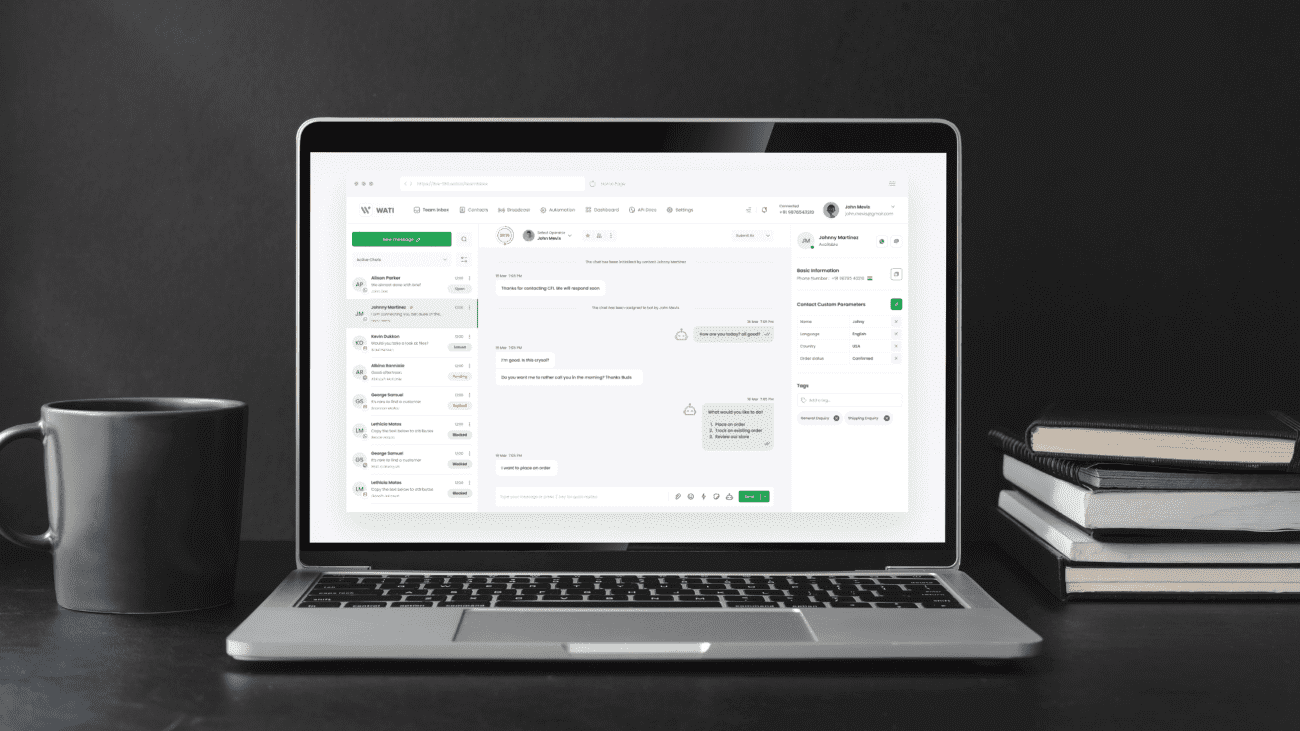
Hong Kong-based WATI.io helps companies have personalized conversations with an easy-to-use customer engagement software tool that’s built on WhatsApp’s API. The startup worked with Kindrik Partners on their recent capital raise. We talked to co-founder and COO Bianca Ho on WATI.io, the capital raising journey, and working with Kindrik Partners.
WATI.io’s story
The company was founded in 2016 by Bianca Ho and Ken Yeung in Hong Kong. Before embarking on entrepreneur journey, Bianca worked in finance before moving to a business development role at a SaaS startup that specialised in customer support. It was there that she saw how artificial intelligence could be leveraged to augment and supercharge existing customer support teams.
“We started with an AI digital assistant for enterprises”, Bianca recalls. “Our digital assistant provided enterprises with a simple solution to chat with their clients at any time in the client’s preferred channels and language.”
From there, the company saw the opportunity of offering a similar solution to SMEs. “We saw lot of small businesses using WhatsApp as a tool to communicate with their customers. We created WATI, a no-code solution for those companies to automate the support that they were offering using WhatsApp’s Business API.”
These days the team has 40 employees across seven locations and is serving over 2,500 businesses in 54 different countries.
working with kindrik partners
Bianca was first introduced to Kindrik Partners through another entrepreneur in Singapore – Ned Philips, cofounder at Bambu. They were looking for legal advice with their pre-series A round.
“We decided to work with Kindrik because the team was really responsive, and the legal fees were affordable.” says Bianca. “They’re easy to work with, and very straightforward and fuss-free.”
on WATI.io’s fundraising journey
“We were a part of the Surge accelerator programme run by Sequoia”, recalls Bianca. “The fundraising process was relatively straightforward, since they have standardised documents that Sequoia gives to all cohort companies.”
Bianca worked with partners Chris Wilson and Lee Bagshaw from the Southeast Asia office in Singapore. “They were very quick to respond to my emails, as well as friendly.” says Bianca.
“They’re also founder-centric, which is something I appreciated. Sequoia is a big name, but Kindrik worked to let us know when things weren’t necessarily market standard in the fundraising documents, and encouraged us to ask questions to understand what we were getting into.”
Kindrik Partners also assisted WATI.io in the preparation of its employee share option scheme (ESOP).
“An ESOP is a complex thing to decide, and not something you can change every day”, Bianca says, “It can be daunting and quite complex, so having a clear explanation of the process and documents was very useful for us.”
tips for founders
When it comes to giving tips to founders, Bianca is clear. “Focus on the business first”, she says. “Understand your customers. If you are a good business with solid fundamentals, it will be easier to get the capital you need.”
what’s to come
WATI.io is continuing to pick up speed, particularly with its new injection of capital. “We are continuing to hire and grow”, says Bianca. “It’s an exciting time for us and we’re excited at what’s to come for the company.”

about Singapore Tourism Accelerator
The Singapore Tourism Accelerator is an equity-free 6-month programme for promising technology companies that power the travel and tourism industry. The Accelerator is organised by the Singapore Tourism Board (STB) and is managed by its appointed Corporate Innovation partner, Found8.
The cohort companies undergo a three-month accelerator program where they participate in capacity- building workshops providing insights to the Singapore ecosystem and market as well as the tourism and hospitality industry. The program is tailored to support the startups in identifying and securing a pilot partner and project to testbed their solution with. This is followed by three months of pilot implementation and execution with one of the close to 30 industry partners participating in the programme – including Singapore Airlines, Changi Airport, Marina Bay Sands, and other prominent tourism brands.
The Accelerator provides founders with an opportunity to learn critical market entry skills, pilot design and implementation skills, and fundraising strategies. The programme also offers 1:1 mentoring, expert feedback, and access to industry events. The accelerator culminates in a Demo Day attended by investors and members of the tourism industry.
The Accelerator is currently running its second cohort of 10 companies and Kindrik Partners has worked with the program as an advisor for both. Particularly in the case of startups who have come from outside the region, that can include incorporation in Singapore with a view to getting investment.
pivoting to remote-first with COVID-19
With the second cohort set to begin just as the COVID-19 situation was escalating in Singapore, the decision was made to pivot from an onsite programme to a digital-first programme.
“The global health crisis put a lot of different challenges on top of everyone’s normal workload. Now that we’re split across seven different time-zones, it’s a big ask in terms of flexibility and adaptability for the people who run the workshops. We are all now masters of Zoom,” says Katrin Miller, program manager.
kindrik partners support
presentations and office hours
In line with the move to remote-first, Sarah Yen, senior solicitor at Kindrik Partners, presented to the second cohort via webinar, covering basic corporate and commercial topics such as seed rounds and other common legal issues for growth stage companies.
The startups were also able to book one-on-one Zoom legal consultations to address any queries not covered in the presentations.
“It was beneficial to the startups to know they had access to a lawyer to address more specific questions once they were further through the process”, says Katrin.
“Throughout the programme, Sarah has been stellar to deal with. She has always made herself available to our startups and the advice she gives to help the founders is always well structured and clear.”
online templates
Founder in each cohort also have access to over 30 free legal templates and guides for startups that have been tailored to building tech companies in Southeast Asia.
“Anytime one of the startups needed a template, I always consulted the Kindrik Partners database first to see if there was something they could start working from,” says Katrin.
The templates cover common corporate and commercial agreements and resolutions used by growth startups. These include founder agreements, NDAs, and sample term sheets.
support tailored for the programme
Given the industry connections that the Accelerator offers to industry heavyweights like Singapore Airlines, Changi Airport, and Marina Bay Sands, Kindrik Partners also provides targeted assistance on pilot agreements.
“Running a pilot programme is a great way to fine-tune a solution and to approach enterprise customers”, says Sarah. “However, since there’s no real uniformity to pilot agreements, founders need to be aware of some key provisions that will shape their experience with the organisation they’re dealing with.”
Katrin agrees, adding “Some corporate partners have existing documentation around pilot programmes – but for many, it’s up to the startup to set up a legal document that seals the partnership. Kindrik Partners provided real value in educating the startups and help them understand the legalese – whether it be a letter of intent, an MOU, or formal partnership agreement.”
after demo day
fixed fees on seed funding rounds
Following demo day, Kindrik Partners is available to the cohort companies to assist them with their first institutional funding rounds. To bring more transparency to the market around legal costs, Kindrik Partners offers fixed fees for institutional seed funding rounds and some associated projects, such as ESOPs.
“We want to help founders understand the terms on which they are raising their first formal funding, to help them close the deal as efficiently as possible, and of course to ensure they are getting market terms. Providing fixed fees removes one of the biggest obstacles to start-ups engaging counsel during the funding process, i.e. concerns around creeping costs and their lawyers running the clock on each call or email query”, partner Chris Wilson says.
final words
The mentorship and guidance given to the startups has been highly valued by founders in the accelerator programme.
“It’s been a hard time to run a tourism accelerator during the coronavirus pandemic – it’s no surprise that we are the hardest hit. But we’ve noticed that many of our industry partners have stepped up and focused on innovation to give them a competitive edge when the industry recovers.”
“Having Kindrik Partners on hand to assist has been truly valuable throughout the course of the programme as our founders navigate the new normal.”

about X0PA.AI
Singapore-based X0PA.AI is a SaaS talent hiring and recruitment platform that uses AI and data science to match applicants to roles, as well as predict issues such as attrition, loyalty and performance.
CEO Nina Suri has scaled the team over three years to twenty-five employees, located across Singapore, India, and the UK, with plans to start in the UAE.
X0PA recently implemented an employee share option plan (ESOP) and Nina shared her experience.
why implement an ESOP
“Having had over twenty years of entrepreneurship, I knew I wanted to build a culture of ownership and inclusivity, and ensure that our team felt involved and satisfied”, says Nina.
“An ESOP is one way that our employees can feel like they’re a part of growing something – that our success is their success”, says Nina.
putting the ESOP in place
The company originally drafted some ESOP paperwork when they first incorporated, but as they grew, X0PA’s company secretary recommended that it be replaced with something more robust and market standard.
“We learned that the ESOP needed major amendments in order to be more in line with what is typically seen in the market in Singapore, and reflect what investors are likely to expect”, said Nina.
Nina reached out Kindrik Partners after the firm was recommended to them by their company secretary. XOPA worked with Sarah Yen in Kindrik Partners’s Singapore office, who was able to create the right framework for the startup.
“We were looking for a firm who advised a lot of startups in Southeast Asia. Sarah took the time to explain and really make sure that we understood the mechanics of how the ESOP operated. This made it easier for us to communicate that to our employees.”
“It’s important when putting together an ESOP to consider several different factors”, says Sarah. “What works for the company, what is standard in the market to attract quality talent, and what your investors and most importantly a future potential buyer might expect to see.”
about the ESOP
A X0PA employee is invited to participate in the ESOP once they have been with the team for twelve months, and if they’re considered a ‘high performer’.
“At the moment we have a rockstar team, and 100% of the people who we have hired have been invited to join”, says Nina.
“In my previous venture I also felt strongly about letting my employees be directly involved – but I gave them straight equity. It was a more traditional business with a partnership model.”
“This time, an ESOP seemed more appropriate – it was a more scalable model and more appropriate for the type of company we wanted to build.”
X0PA’s management team put aside 10% of the company’s equity towards the ESOP, with the expectation that this allocation would last at least five years. They set the exercise price by the valuation of the company at the time of allocation.
Allocations were not standardised per employee but were allocated according to the contribution and importance’ of the employee’s role in the organisation, according to Nina.
The X0PA team also included an acceleration clause in the ESOP – if the company exits before the vesting period, their employee’s options fully vest.
advice for other founders
“We weren’t familiar with the nitty gritty of putting in place an ESOP – it was a new experience for us”, says Nina.
“My advice would be to go with a lawyer who is experienced with startups and ESOPs, so you don’t have to go through the complications that we went through as we started to scale”, she says.
Nina also stressed that it was important to familiarise yourself with the mechanics of your startup’s ESOP so that management could communicate with staff effectively about how it worked.
Nina also had some tips about how to communicate with a team when implementing an ESOP.
“We kept it very simple for our staff. We broke down into the main points – what is the ESOP, what does it mean for them, what do they get, how much do they get. We didn’t want to get them worked up about the legal language.”
Nina also made sure that she sent each team member an individual email after the scheme was introduced to the company, confirming what the ESOP meant, how that individual’s options vested, and what would happen to their options in different scenarios.
“You need to make sure your team understands what the ESOP is. If you’re giving them something, and they don’t appreciate it, and then what’s the point? It’s best to spell it out and make sure that everyone understands – then you’re all working towards a common purpose.”
what’s next for X0PA?
“We’re starting to move from startup to scale up now. We’re experiencing massive acceleration and growth, with several Government departments, enterprises, polytechnics and universities as clients”, says Nina.
“Our product is ready, and strong, and we’re ready to grow and help our clients with their digital transformation. We are focused on growth both from increasing market share in the markets we operate in as well as market expansion point of view.”
[Note: The firm’s name was changed to Kindrik Partners in July 2020 and references to the firm’s previous name have been updated.]
Explore our other case studies here, or access our full library of ESOP guides and templates via our resources section.

Singapore-based Pixibo provides personalised size and fit recommendations in real time for online retailers and their customers. The fashion-tech startup worked with Kindrik Partners on their recent series A raise.
We spoke to founder and CEO Rohit Kumar on Pixibo, the capital raising journey, and working with Kindrik Partners.
pixibo’s story
Rohit is an ex-Googler with experience across Europe and India, before heading to Singapore to head up operations for e-commerce advertising company Sociomantic. Between 2013 and early 2016 he launched and managed all of Sociomantic’s APAC operations and was part of the team that sold the business to dunnhumby, a Tesco company.
It was at Sociomantic that Rohit identified an issue plaguing fashion e-commerce sites. People were browsing clothes online, but very few of those visits converted into sales. “The average conversion rate is 1.5%”, says Rohit.
Pixibo’s technology was formally launched in 2018, after a few years in development. The platform makes real-time size recommendations, personalised for every shopper and for every brand and SKU. For a retailer this boosts conversion rates, reduces return rate and improves customer satisfaction. Its size recommendation engine is entirely white labelled and can be natively integrated into online stores.
“In online shopping, there’s a lot of pain points, from finding something you like, to working out which size is correct for you,” says Rohit.
“Decision fatigue can come in, reducing sales and resulting in increased return rates. The Pixibo platform works to reduce the friction felt by the consumer and the retailer.”
working with kindrik partners
“I was educating myself about series A rounds when I came across Kindrik Partners’s content online,” Rohit says.
“It was my first time doing an institutional round so I was spending more time online trying to get my head around the legal terminology and the types of things that show up. Drag alongs, tag alongs, liquidation preference clauses. There’s a lot to understand.”
(confused? see our startup glossary )
“It looked like Kindrik Partners were the best lawyers for startups,” says Rohit.
“It was clear from the content that was available online that it was their area of expertise. When I eventually needed to bring in a lawyer to help with my round, I reached out.”
on the series A round
Pixibo already had several angel investors prior to their series A round in 2018, but the startup did not have any VCs on board, so the experience was new.
“We had VPs from Google who invested at an early stage, as well as strong private angel investors. But this was the first institutional round, and it felt very different.”
A big learning was how much longer the process took. “I thought you’d just go out to market, pitch, and then get them to sign. I eventually came to understand the level of process that institutional investors require, and how this stretches out the timeline.”
“There’s a great level of detail required. From investor interest to the term sheet to drafting the shareholder’s agreement, share subscription agreement and the whole nine yards, to signing, to getting money in the bank… it can take a long time!”
Fortunately, runway was less of a concern for Pixibo. “We weren’t in a rush. We had revenue, so there was no immediate need to get funding in”, says Rohit. “We already had a recurring revenue from our licence fees we were charging. That started conversations for us with investors, too.”
working with kindrik partners
Rohit found working with Kindrik Partners and partner Lee Bagshaw provided a lot of value during the capital raising process.
“Working with Lee was great. He was very responsive to my requests and concerns and was always happy to get on a call if need be to walk through things with me.”
Kindrik Partners’s experience in capital raising in Southeast Asia was also an asset to Pixibo.
“As a first time founder, sometimes you’re like wait, hang on, why is that in there? Lee was invaluable in these situations. He understood what terms were negotiable and what terms weren’t, and was instrumental during all of the back and forth with investors.”
tips for founders embarking on their A round
Rohit has a few tips for those entrepreneurs who are considering going out to do their series A round.
- start out 6 -8 months before you need the capital: especially if it’s your first institutional round (it gets easier with a follow-on round, because you’ll have existing investors to help you get your foot in the door).
- consider a rolling close: since you’re looking for investors who are the right fit in a long-term partnership, having a rolling close allowed Pixibo to get the money in the bank from the investors who were committed, while continuing to find the perfect fit to close out our round.
- beware the temptation to think that any money will do: in the beginning, the temptation is to look for anyone with a cheque book, but then you get smarter. Find the VC’s thesis and their sweet spot, and get smarter at looking at their portfolio to see if you fit in. Who will be interested in your story?
- don’t raise too soon: Traction is important. Wait until you’re in a strong position to raise, if you can. In our case, as we’re B2B, we had clear proof points that our product works, solves a real problem for online retailers and that they are willing to pay us for it. Investors will want to see that you have put in the hard work and that capital will accelerate growth.
- have a plan for the money. You have to articulate why you need capital now, and how it will help your business.
what’s to come for pixibo
The future is bright for Pixibo, and Rohit is looking ahead to expand into new markets. “The most exciting thing about us is that we’re location agnostic. The problems retailers have in Singapore are the same ones that they have in Sydney. The opportunity is massive.”
[Note: The firm’s name was changed to Kindrik Partners in July 2020 and references to the firm’s previous name have been updated.]
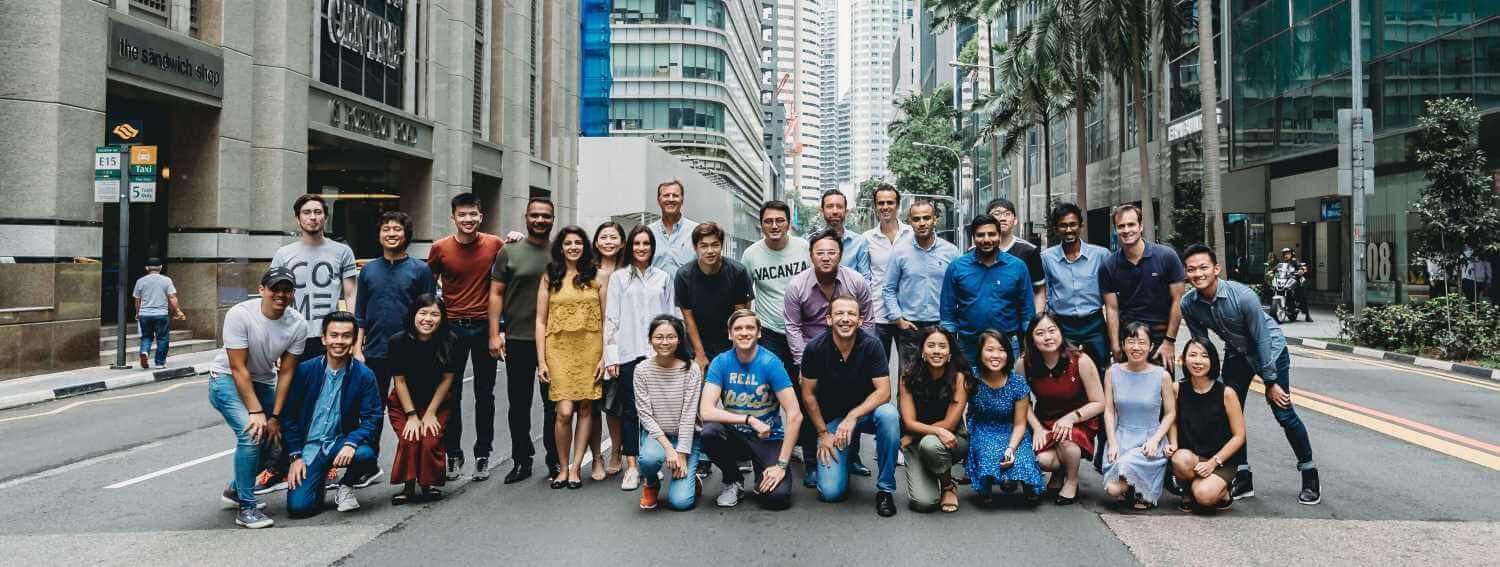
Bambu is a Singapore-based robo-advisory startup. We talked to the company about working with Kindrik Partners through their successful Series A and B rounds.
bambu
Bambu is a B2B robo-advisor platform provider to banks and other financial institutions. Their digital platform allows these financial institutions to offer automated and technology-augmented investment services to their customers. The company started up in August 2016, and now has 70 staff with clients in America, Europe, the Middle East, and across Asia.
Bambu raised US$10m in their series B round which closed in June 2019. We spoke to their CEO and co-founder Ned Phillips about the fundraising process.
getting introduced to Kindrik Partners
Ned first heard about Kindrik Partners through an early investor and advisor to Bambu. When it came time to do their Series A round, Bambu had secured its first strategic investor, Franklin Templeton Investments, as well as its first venture capital investor, Wavemaker Partners. Since it was their first equity round, Ned knew it was time to bring in professional legal advisors.
As part of their search, Ned said that he met with a few of the bigger law firms, but none of them quite fit.
“You meet the partner”, he said, “but you know you’re not going to get the partner – the actual work always gets handed off to someone else in the firm.”
Kindrik Partners was transparent and honest when presenting their team. “What I liked about Kindrik Partners was that when I met Chris [Wilson] and Sarah [Yen], they said ‘this is us, you’re going to be working with us’, which was nice.“
“That made a big difference.”, says Ned. “It was important for us to know who we were dealing with, and it was very clear that it was them – that this was my team.”
raising the series a, then the series b
The series A round was very different from the seed round for Bambu. “The series A was the first time we were introduced to equity documents”, recalls Ned. “In our seed round we had used a SAFE convertible note, so there were no equity investors at that point.”
It was a big learning curve, particularly as a first-time founder. “My clearest memory about the Series A was the amount I learned about things I never knew about”, says Ned.
“There were a lot of things about equity documents that I wasn’t familiar with – tag-alongs, drag-alongs, founder vesting, liquidity preferences, warranties.”
(Unfamiliar with these terms? Click through to our startup glossary to learn more.)
When it came time for the series B round, Ned thinks that they were fortunate with how things went, and that it felt easier, attributing it to understanding more of the process and jargon.
“We had Franklin as a returning investor who was also willing to lead the round for us. We ended up with two investors filling the round – but it turned out that as soon as our round was full, everyone else wanted to come in, which was a nice problem to have.”
For other startups looking to raise money, Ned advises perseverance. “It’s not that it’s a numbers game, but it does take persistence. We reached out to so many investors. Many people give up at 10, or 20, 30, 40 people telling them no. But don’t be deterred – be polite, say thank you, and move on.”
working with Kindrik Partners
Ned describes the team as super helpful. “When we were first introduced, the fundraising process was new to me – the combination of Chris and Sarah on board to help was invaluable.”
Ned highlights Chris as an incredibly founder-friendly lawyer. “As a founder, you want to keep good investor relations, since it’s going to be a long-term relationship.”
“Chris could be the bad cop when he felt it was in the company’s best interests. He was also great at explaining what was important and what we could let go. He was strong, but fair.”
Ned also emphasises the complexity in negotiating a series A round. “Raising money isn’t just a negotiation on value (that part is done fairly quickly). There are all of these other things to decide in terms of what to hold onto and what to let go of.”
Ned recommends the law firm to other startup founders doing who are looking to raise funds for their company. “The team at Kindrik Partners really focuses on raising funds, and it’s so valuable to be talking directly with the people who are holding the pen on the documents, rather than just being a part of the sausage mill.”
“Put it this way – when it came time to do our series B, we didn’t spend one second thinking about using someone else. It was like, OK, we’re doing our round. Let’s get in touch with Kindrik Partners and get started.”
what’s next for bambu
It’s an exciting time for Bambu. The startup has lots of plans from the proceeds of their series B, including new products set for release and building their London presence. But Singapore remains home for the time being.
“Singapore is really helping fintech”, says Ned. “Honestly, it’s amazing – the Fintech Festival alone had 40,000 people attending last year. We’re selling to the world, but there’s no better place to do that from than Singapore.”
explore bambu
[Note: The firm’s name was changed to Kindrik Partners in July 2020 and references to the firm’s previous name have been updated.]
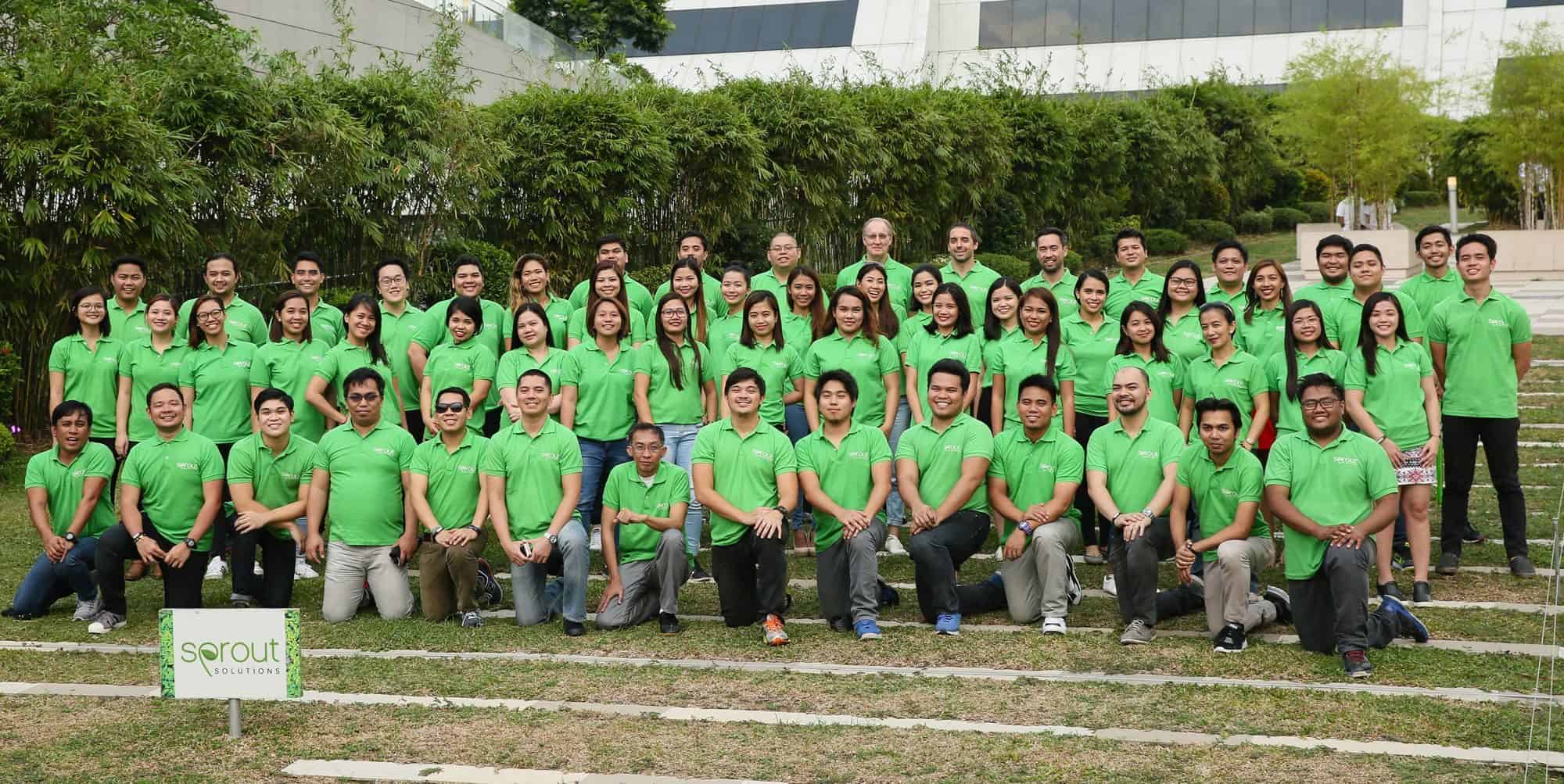
Sprout Solutions is a Philippines based SaaS payroll, HR and recruitment company. Sprout’s products are tailored to meet the requirements of each jurisdiction in which their enterprise clients operate.
We recently spoke to co-founder and CEO Patrick Gentry about working with Kindrik Partners on Sprout’s series seed funding round.
the sprout solutions story
Sprout was founded by the husband and wife team of Patrick and Alexandria Gentry. In 2016 Acceleprise (a US based SaaS accelerator) asked Sprout to be the first Philippines based company to join its program. Patrick says:
We were interviewed by other accelerators, but chose Acceleprise because it specialised in assisting companies that were looking to scale their sales to enterprise customers.
The connections that Patrick and Alexandria made at Acceleprise helped them to raise an angel round from overseas investors. Those funds were used to expand the company’s software engineering and sales teams. The company grew rapidly, and by the middle of 2017 it had over 75 employees and 150 enterprise clients in the Philippines.
After proving the business model locally, the company wanted to expand into other emerging markets in Southeast Asia. Patrick and Alexandria began looking for institutional investors to fund the tailoring of the company’s products for each new market, and to grow the international sales and services teams.
the deal
Patrick was well connected in the startup ecosystem after several years of bootstrapping both Sprout and a previous company. A fellow entrepreneur provided Patrick with a warm introduction to several VCs with a focus on B2B SaaS products. Sprout soon began negotiating a series seed investment round led by VCs Kickstart Ventures (Philippines), Wavemaker Partners (Singapore), and BEENEXT (Singapore).
A condition of the round was that Sprout needed to redomicile in Singapore. This type of restructure (or flip) is quite common, since many Southeast Asia VCs will only invest in a Singapore incorporated entity. There are a number of reasons for this, including taxation, minimal restrictions on foreign ownership, the ability to easily repatriate investment returns from Singapore, and legal certainty (including IP protection).
For Sprout, a new Singapore head company was incorporated and the existing company became a Philippines operating subsidiary. The terms of the restructure were incorporated into the long form investment documents and the flip was completed at the same time as the rest of the investment round. Patrick recalled that:
Some aspects of the restructure were unique. Kindrik Partners were great in this scenario as they did a deep dive to understand the specific requirements and complete the process by working closely with local counsel.
The company closed its US$1.6m series seed round in late 2017. Patrick told us that:
Completing the round was a huge deal. I knew we could accelerate this business with capital, and felt like the timing was perfect. It’s exciting to gain the freedom to stretch a bit and continue our rapid expansion in new areas of the business and market.
working with us
Kickstart recommended Kindrik Partners to Patrick as they had worked with us on the other side of previous deals.
Patrick says:
Kindrik Partners were invaluable in moving the deal forward as efficiently as possible by keeping the negotiations centred on the critical commercial points, and by providing insight as to what was common market practice in these areas. I can’t emphasize enough how important it is to have a strong partner that not only knows the process inside and out, but will also go to war for you and represent you as if they are negotiating for their own company.
Kindrik Partners even assisted with the calculation of the cap table, as the deal involved some bespoke debt conversion calculations relating to a previous round.
As entrepreneurs we pour our heart and soul (and blood and sweat) into our companies, and to have someone fighting for us as if it were their own – that’s just awesome!
Sprout is rapidly becoming a regional SaaS star, and we would like to thank Patrick for taking time out of his frantic schedule to speak with us.
[Note: The firm’s name was changed to Kindrik Partners in July 2020 and references to the firm’s previous name have been updated.]

Singapore company CardUp is an online platform that lets individuals and SMEs pay for expenses like taxes, rent, or even payroll, using their credit card – even if the recipient doesn’t accept cards.
Cardup raised a seed round lead by top tier venture firm Sequoia Capital in late 2017. We spoke to founder Nicki Ramsay about Cardup’s journey so far.
story
Nicki got the idea for CardUp while working at a major credit card provider in Singapore. She saw that a lot of big ticket items (like tax and rent) could not be paid for with a credit card, because the recipients were not willing to go through the hassle and fees associated with the setup process. This meant that card holders were not getting benefits from these big payments such as being able to access their credit facility or earn loyalty reward points. In addition, banks were losing out on the fees that would be linked to an increase in credit card spending.
CardUp solves this by flipping the existing card processing model, acting as the middleman between cardholders that want to use their card in more ways and recipients who don’t accept card payments. CardUp users benefit from using the credit line on their card to extend the payables period for these expenses, as well as earning credit card loyalty points and rewards. In addition, the recipient does not need to have a CardUp account to receive credit card payments.
Finding the initial capital and relevant expertise needed to get a company off the ground is a challenge for a lot of the founders that we work with. This is particularly common for solo founders like Nicki, as they are not able to draw on the financial resources and connections of their co-founders. In Nicki’s case, she decided to join The Finlab (United Overseas Bank’s Singapore fintech accelerator), which was a great way to access mentorship and exposure to a wide investor community.
While at The Finlab, Nicki spent a lot of time talking to financial institutions, to get them on board with cardholders using the platform. CardUp has since secured partnerships with many of Singapore’s major banks to promote CardUp’s services. The company also promoted the platform to individuals and SMEs through its online marketing content. The focus of this material was to educate users on the platform’s benefits and how the platform works.
the financing deal
As CardUp gained more users, the company needed to raise some money to further develop its platform.
Nicki pitched to a wide range of VCs in Southeast Asia. Sequoia was a natural fit as they are deep in the payments space, and CardUp is disrupting traditional payment processing models.
Other investors included SeedPlus, who were originally introduced to Cardup by The Finlab.
The company completed its ~US$1.7m seed round in late 2017. The investment has allowed the company to triple the size of its team in just a few months.
working with us
Nicki told us that Kindrik Partners’ depth of knowledge on VC deals in Southeast Asia was a massive help throughout the capital raising process:
Kindrik Partners added a lot of value for us during the negotiation with Sequoia as they have vast experience with startup and VC deals in the region and are very familiar with the different permutations of VC term sheets. Also, because they have acted for a lot of startups taking investment from Sequoia, they saved us time and cost by telling us which points Sequoia would likely be open to negotiating.
Overall, Nicki said that the Kindrik Partners team were extremely knowledgeable, and professional to deal with.
Having worked with Nicki, we are now certain that it won’t be long before everyone will be using their credit card for important payments, like their legal fees!
Explore CardUp.
[Note: The firm’s name was changed to Kindrik Partners in July 2020 and references to the firm’s previous name have been updated.]
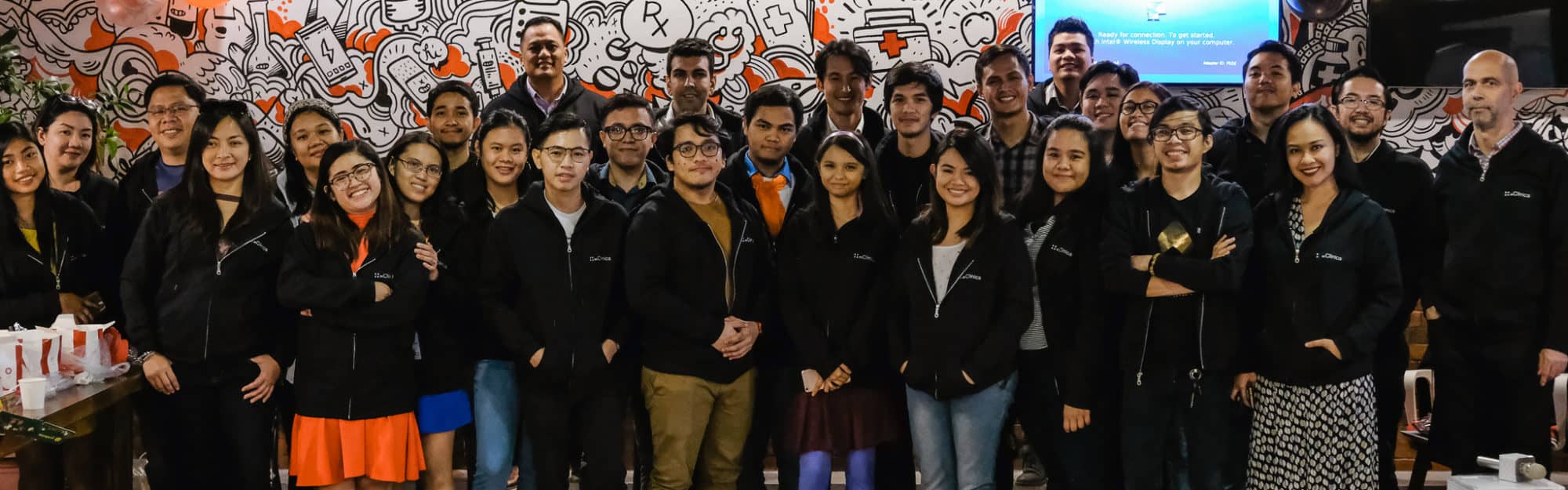
mClinica is a Singapore-headquartered health-tech company which provides data, analytics, and patient engagement tools for healthcare organisations in Southeast Asia. In 2017, mClinica closed a USD$6.3million series A financing round, with Kindrik Partners advising the company.
Founder and CEO Farouk Meralli talked to us about mClinica’s journey to date and working with Kindrik Partners.
the mClinica story
Whilst working for multinational pharmaceutical companies, Farouk identified issues in the healthcare sector in emerging markets. Pharmaceutical companies and public sector entities (NGOs and governments) lack access to consolidated data that similar companies in developed markets have. This is particularly so in Southeast Asia where pharmacies are mainly independent owner-operated businesses rather than the large branded chains that you see in established markets.
This led Farouk to start mClinica to connect pharmacies on a common mobile platform. The company launched in the Philippines in 2013, and has since expanded to Indonesia, Vietnam, Thailand and Malaysia. By the end of 2017, mClinica had connected over 60,000 pharmacy professionals and 12,000 pharmacies on a single digital platform. This platform now addresses several challenges in healthcare including education and engagement of pharmacy professionals, pharmacy-driven patient programs, and last-mile data.
Farouk recently received the Public Health Innovator Award from Harvard University for his work with mClinica, and was the youngest ever recipient of the award.
challenges
Due to the fragmented nature of the healthcare industry in Southeast Asia, developing mClinica’s products was no easy feat. Farouk had to recruit healthcare professionals who also had expertise in mobile technology, engage with lots of government agencies and regulators, and develop products that were flexible enough to work in different health contexts. However, Farouk’s patience and vision has paid off, with its pharmacy network now reaching approximately 80 million patients per month.
The business has also been through some financing rounds and other corporate transactions along the way, which Farouk admits can be a big distraction from the day job of growing the business – like all entrepreneurs, he just wants to focus on solving real problems for end users.
raising a series A round
mClinica’s series A round was led by Silicon Valley fund, Patamar Capital (formerly Unitus Impact), and joined by UK based Global Innovation Fund, MDI Ventures, and Endeavor Catalyst. Existing investors also took part in the investment round.
The cap raise was to help mClinica grow faster and enter more markets across Southeast Asia. By 2017, mClinica had a good profile in the regional tech and healthcare scene, and was known to investors. The company therefore had the luxury of picking investors that had knowledge of the healthcare space and would offer the best long-term strategic value.
In the end, mClinica was able to secure investment from well-known international investors, all of whom believed in the vision of transforming healthcare in Asia. A term sheet followed, and once a lead investor was committed, was agreed fairly quickly.
Farouk described an important aspect of the transaction was discussing the term sheet openly with all interested parties from the outset. This included existing seed investors who required careful management to avoid roadblocks later in the deal process.
working with Kindrik Partners
mClinica has worked with Lee Bagshaw since the incorporation of the business, including advising on seed funding deals with Kickstart Ventures, Spiral Ventures (formerly IMJ Investment Partners) and 500 Startups. Kindrik Partners has helped the company with other corporate and commercial matters, aside from the series A deal.
Farouk says: I believe mClinica was one of Lee’s first clients in Southeast Asia. Therefore to some extent we’ve been on the journey together in what is an exciting but challenging digital market. We feel like we’re in safe hands with Kindrik Partners. The team is very easy to work with and their VC transaction experience is second to none.
what’s next?
Since completing its series A financing, mClinica has continued to expand its pharmaceutical network, work on product development and grow its team. Right now, the focus is still on Southeast Asia, but mClinica’s products are also suited to many other developing countries worldwide.
As a transformative health-tech company operating in emerging economies, we’re proud to have been a part of Farouk’s journey to date. The digital economy in Southeast Asia will play a great role in improving healthcare delivery over the next decade and mClinica is leading the way.
[Note: The firm’s name was changed to Kindrik Partners in July 2020 and references to the firm’s previous name have been updated.]

Southeast Asia’s online-to-offline (O2O) space is hot. Platforms linking online customers with offline services are now part and parcel of daily life, from the likes of well-backed Go-Jek and Grab, to Fave – one of the region’s most exciting new O2O companies.
Fave started out in 2015 as a fitness sharing platform called KFit before stepping into multi-category local commerce with the launch of Fave. The company is connecting millions of customers with thousands of local service businesses including restaurants, cafes, salons, spas, hotels, gyms and more.
Founder and CEO, Joel Neoh, talked to us about their journey and how they have found working with Kindrik Partners.
the Fave story
Fave’s founders Joel Neoh and Yeoh Chen Chow are no strangers to O2O local commerce. Joel started Groupsmore, a daily deals site that was acquired by Groupon in 2011. Joel went on to head up Groupon’s business in APAC, alongside Chen Chow, who led Groupon’s regional operations.
Spotting an opportunity to disrupt the fitness business in APAC, Joel left Groupon to start KFit, the region’s first-ever fitness sharing platform, touted as an Uber style platform for gyms and fitness studios.
After a year of tremendous growth and raising a US$12m series A financing, the company set its sights beyond the fitness space and launched its multi-category platform. It went on to acquire Groupon’s businesses in Indonesia, Malaysia and Singapore.
According to Joel, the pivot to a broader O2O platform was a natural progression for the company, as multi-category local commerce presented a much larger business opportunity. Joel observed that apps with high-frequency use cases tend to succeed in a competitive landscape. Fave was launched with a focus on the food and drink category – a major part of life in Southeast Asia.
Whilst deals businesses have been around for a while, Fave is focused on merchant-first innovation via deeper product development and data science. All with a view to enhancing the customer experience with daily deals and rewards. Joel notes that the traditional deals model only brings in new customers to offline businesses and stops there. To truly add value to local businesses, Fave wants to create an ecosystem where businesses can acquire, retain and re-target customers in the online world.
working with kindrik partners
Lee Bagshaw started working with Joel from the set-up of what was the KFit business in 2015. As well as advising Fave on its VC financing rounds, Lee and Chris Wilson have helped Fave on the three M&A deals relating to the acquisitions of Groupon’s Indonesian, Malaysian and Singaporean businesses.
Joel says that Kindrik Partners provided insightful and comprehensive legal advice that played a key role in helping Fave reach some major milestones. He specifically notes Kindrik Partners team’s considerable expertise in VC and tech M&A, which helped the company efficiently navigate the documentation negotiating during its funding rounds and the Groupon transactions.
The future of O2O commerce in Asia looks bright in Southeast Asia as new generation of digitally savvy consumers come online. Kindrik Partners looks forward to helping Fave continue its rapid journey to become a leading O2O player in the region.
Explore Fave.
[Note: The firm’s name was changed to Kindrik Partners in July 2020 and references to the firm’s previous name have been updated.]

Fintech startups are the next big thing in the Southeast Asian tech scene. Kindrik Partners client C88 (formerly Compare88) is racing ahead of the pack after securing the backing of high-profile VC investors including Telstra Ventures.
C88 provides online financial services price comparison tools, helping consumers to compare the offers of major brands for products such as credit cards, personal loans, mortgages, vehicle loans, savings accounts and insurance. The company also offers a brokerage service, enabling consumers to purchase products directly on the C88 platform – for which C88 has secured relevant financial services licences through Southeast Asia.
Founder and CEO, J.P. Ellis, talked to us about the company’s background, its most recent series B financing round, and how they have found working with Kindrik Partners.
the c88 story
Prior to C88, founders Karl Knoflach and J.P. worked in private equity, finance, operations and leadership. The C88 senior team also consists of Gary Empl, a professional software developer with over two decades of experience leading teams in the creation of cutting-edge software in the financial services industry. Karl and Gary were part of the original founding team of einsurance.de in Munich in 1999 – a revolutionary company in the German insurance space which later became Check24.de, the German market-leader.
C88’s commercial teams in Indonesia, the Philippines and other markets are made up of senior bankers, insurance executives and sales operators with many years of experience in financial products sales and distribution. This experience, and the networks that senior team members bring, is crucial to C88 maintaining its market leader position.
J.P. notes that the Southeast Asian economy’s migration to digital begin with communities moving online for social needs. This was followed by online purchasing of physical goods, usually electronics and clothes, then travel bookings, followed more recently by financial services. This migration began in earnest in 2009, and by 2011 there were already major e-commerce providers. Online channel emerged in the insurance vertical in 2013, and C88 followed quickly releasing its platform in 2014.
J.P. observes that high traffic digital marketplaces, such as C88’s CekAja.com brand in Indonesia and eCompareMo.com brand in the Philippines, benefit consumers as well as underwriters. C88 can use its volume to create pricing efficiency for their customers. That volume also reduces the overall cost of acquisition for underwriters. Prior to the emergence of financial services e-commerce, banks and insurers basically only had two options for sales in the large markets of Southeast Asia: branches or physical agents. Digital sales through C88’s platform provides a highly cost-effective alternative.
challenges
Southeast Asia remains highly fragmented. Operating a multi-jurisdictional structure that is attractive to both consumers and providers, while keeping national regulators on-side, is challenging.
The company also faces the challenge of creating a common culture across national teams. Incentivising teams in different verticals and across countries to work together to solve problems creatively is an ever-evolving process of creative leadership and problem solving.
J.P adds that fortunately, C88’s team are multi-lingual and truly love what they do. It is not at all uncommon for them to log long hours during the week and weekends, because they genuinely enjoy what they do in building systems and solving problems for consumers in the region.
working with Kindrik Partners
As well as advising C88 on its venture capital financing rounds, Kindrik Partners’s Lee Bagshaw and Chris Wilson have helped C88 implement a variety of business critical structures including inter-company, cross-border licensing agreements and intellectual property documentation.
J.P says that Kindrik Partners provided high-quality and competitively-priced legal services in the critical areas of C88’s business. J.P. particularly appreciated the level of support he received when negotiating and completing the company’s recent Series B round led by Telstra Ventures – he says that the Kindrik Partners team know venture capital deals inside out, and made the negotiation of the financing documentation a breeze.
Kindrik Partners looks forward to helping C88 to continue its journey to become a leading fintech player in Southeast Asia and beyond.
Explore C88.
[Note: The firm’s name was changed to Kindrik Partners in July 2020 and references to the firm’s previous name have been updated.]
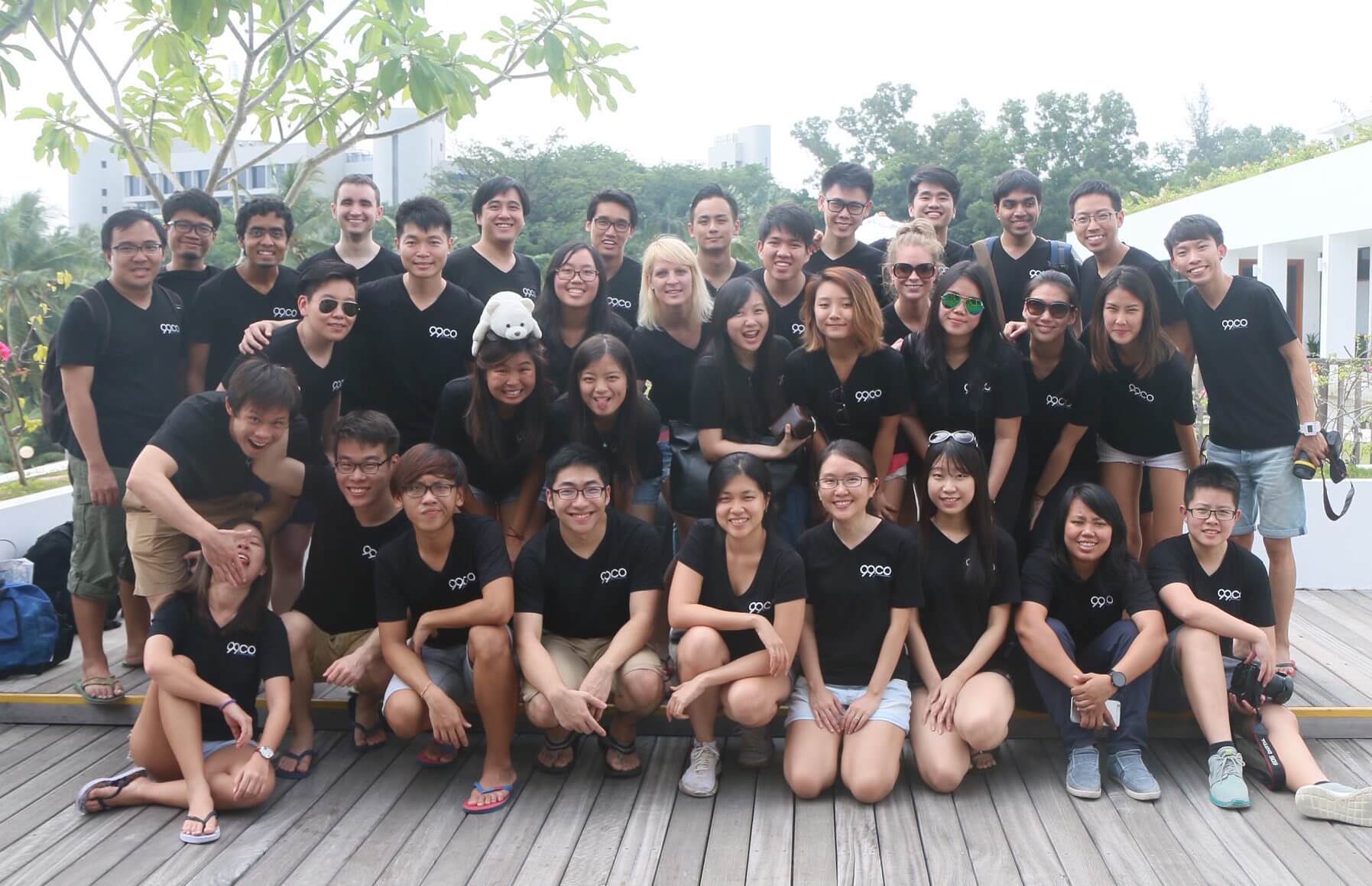
Singapore based property startup 99.co likes a challenge. Dominated by well funded regional players, there would be easier sectors to disrupt than online property. However 99.co is fighting hard with a unique proposition. The company has raised two rounds of funding since incorporation and is backed by high-profile investors including Sequoia Capital and Facebook co-founder, Eduardo Saverin.
Founder and CEO, Darius Cheung, talked to us about the company’s progress, its most recent capital raising transaction in 2015, and how they have found working with Kindrik Partners.
the 99.co story
Darius is one of Singapore’s celebrated young tech entrepreneurs having sold mobile security startup tenCube to McAfee in 2010. This was a decent sized exit for a Singapore tech startup at the time. With the current hot funding environment and massive interest in mobile disruptive technologies in Southeast Asia, Darius is now looking to build a company for an even larger exit.
Not surprisingly, given the city state’s rapid growth, Singaporeans have always had a real interest in property. So 99.co is playing in a compelling space. Singapore has over 30,000 property agents many of which use online real estate platforms such as 99.co. The company recently set up an Indonesian website and plan to get going in Malaysia and Thailand further down the line.
99.co differentiates itself from larger competitors by promising a more intuitive search experience, where the rankings for listings are influenced by the quality of the published content. The site, for example, could favour listings with more photos or with value add information such as commute times or local amenities. This contrasts with the traditional model where the level of fees paid typically pushes classifieds higher. Darius believes that users will increasingly seek this kind of consumer friendly experience.
99.co charges agents a basic subscription fee to list their properties. The company has, however, recently launched a new product called 99PRO – a subscription model where agents can unlock additional features like interactive map searches and new data.
challenges
Darius agrees that the competition is tough to crack in Singapore and the region, given the dominant players. Content is king – the number of listings is fundamental to the success of the business. Bridging the gap, and chasing the platforms that have the majority market share, requires innovative offerings. Plus it’s a crowded market. Aside from other startups trying to challenge those established players, print media still retains a surprisingly sizeable chunk of the market.
The nature of 99.co’s subscription model means the company will need to add alternative revenue streams over time.
Finally, talent acquisition in Singapore and building the 99.co team has been difficult given the number of other startups also hiring sought-after developers.
working with kindrik partners
Lee Bagshaw was introduced to Darius by one of 99.co’s investors. Lee has helped the company through each of its financing transactions. Most recently in 2015, Lee, supported by Chris Wilson, advised on the company’s series B transaction led by Sequoia and Saverin.
Darius’ previous view on lawyers had been that they were expensive and it was not always easy to see their value. He describes working with Lee as a breath of fresh air. Whether by email, on the phone, by WhatsApp or even in the passenger seat of Darius’ car, Lee’s advice was always simple to understand, but with real value add.
Darius was impressed with Kindrik Partners’s knowledge of VC financing deals in Southeast Asia. He says Lee and the team were also very fast, generally turning documents around in under 24 hours. Darius believes that, by working for a tech focussed firm, the Kindrik Partners lawyers have a greater connection with startup founders, combined with unique experience. Throughout the negotiations, Darius found that even if the company could not secure the best outcome on all points, Lee and Chris ensured that he understood clearly the implications, so he could quickly move on.
summing up
99.co are operating in an exciting space in Southeast Asia. Real estate tech companies globally have grown rapidly, achieving some astonishing valuations.
Sequoia’s and Saverin’s backing shows that notable investors are looking carefully at this space in Southeast Asia, particularly for platforms that are distinguishable from the others.
Kindrik Partners will be closely watching 99.co continue its growth to become a significant online property player in Southeast Asia.
Explore 99.co.
[Note: The firm’s name was changed to Kindrik Partners in July 2020 and references to the firm’s previous name have been updated.]

Malaysian point of sale (POS) startup StoreHub is on a mission to help businesses execute better, through innovative technology and great design.
Wai Hong Fong, StoreHub CEO and co-founder, recently talked to us about his company and how he has found working with Kindrik Partners on their Series A capital raise.
the storehub story
Wai Hong refers to himself as an accidental entrepreneur. Most of his family are professionals and he says that it was a combination of kind of stumbling into opportunities plus being frustrated with a problem and wanting to solve it, which led him to where he is today.
After completing his BA in arts, media and philosophy at the University of Melbourne, he co-founded and became Managing Director at OZHut a lifestyle online retailer, where he did everything from writing code, web development and design, search engine optimization and even running the packing tables at the warehouse.
After 5 years at OzHut, he moved to China to study Mandarin and met a friend running a small retail store who asked him to look at his POS given Wai Hong’s e-Commerce background. He realised how terrible it was and not only wanted to help his friend fix this but other small to medium businesses that required offline and online sales support.
Wai Hong knew that the iPad POS was taking off in the US but there were no alternatives in Asia. With the belief that it was time for technology to revolutionise the traditional POS industry in Asia, and to help build better businesses, he co-founded StoreHub in 2013, along with current Chief Technology Officer, Congyu Li.
In the first 12 months of development, they bootstrapped the company then received a small investment from an angel investor, as well as a grant from Malaysia’s Cradle Fund. Wai Hong says that this initial funding allowed them to grow their product quickly and we’ve been cashflow positive and profitable since late 2015.
StoreHub is now a cloud-based iPad POS with inventory management, reporting and CRM, accessed via a mobile responsive backend, with over 850 retail stores paying a monthly subscription and customers in Malaysia, Philippines, Thailand and Indonesia.
In addition to the POS product offering, StoreHub supports its product with exceptional customer service based on the business to consumer experience which is not commonly offered by the industry.
In 2016, StoreHub announced a partnership with Malaysia-listed payments giant GHL Systems to deliver a fully integrated mobile point of sale (mPOS) credit card terminal and iPad POS solution. They also secured USD$850k in their Series A capital raising round from 500 Startups, as well as investors in China, Singapore and Malaysia.
Wai Hong says that StoreHub now plans to grow at least another 5 times its current size in the next year, add complementary products to their core offering and also enter new South East Asian markets, such as Thailand and Philippines.
challenges
Wai Hong notes that the biggest challenge for StoreHub is hiring and managing people, especially on a shoestring budget, talent acquisition and management is key.
The POS market is also highly competitive however StoreHub manages to differentiate because of their broad offering and leveraging their customer service focus which is generally seen as an afterthought in the industry. Being product and tech obsessed has also helped them stay ahead of the pack.
working with Kindrik Partners
Wai Hong primarily dealt with lawyers for the angel investment which involved local lawyers but it unfortunately turned out to be a painful and expensive experience.
He was then introduced to Kindrik Partners partner Lee Bagshaw through former Kindrik Partners lawyer, now investment analyst at tech VC Monks Hill, Lucy Luo. Lee supported StoreHub through the Series A capital raising, including drafting all of the documents which is unique for a deal like this, as investors usually provide the first round of documents.
Wai Hong says that it was our first serious cap raise and it was a refreshing experience given the angel investment round, knowing if I had an issue I would be getting sound advice. It made a huge difference that Lee thoroughly understood the South East Asian venture capital landscape, particularly as they had to negotiate with the investors.
Given Lee really understood StoreHub’s business, Wai Hong would work with him again on further corporate governance work like an Employee Share Options Scheme. He has also recommended both Kindrik Partners and Lee to a whole bunch of startups.
He says not only was Lee fast at delivering the work which helped StoreHub maintain their professionalism with investors, but he gets the space, market standards and provides valuable industry insights. Wai Hong thought Lee’s wealth of experience showed specifically when he advised on the all important term sheet, his advice and guidance was spot on.
Wai Hong also thinks that the Kindrik Partners Templates are also pretty cool, providing good information and learning points, and are a good starting point for legal work.
summing up
StoreHub’s growth is a testament to the company’s commitment to building a product and providing outstanding customer service. Kindrik Partners can’t wait to see what Wai Hong and the team have planned for their ambitious next steps.
Explore StoreHub.
[Note: The firm’s name was changed to Kindrik Partners in July 2020 and references to the firm’s previous name have been updated.]
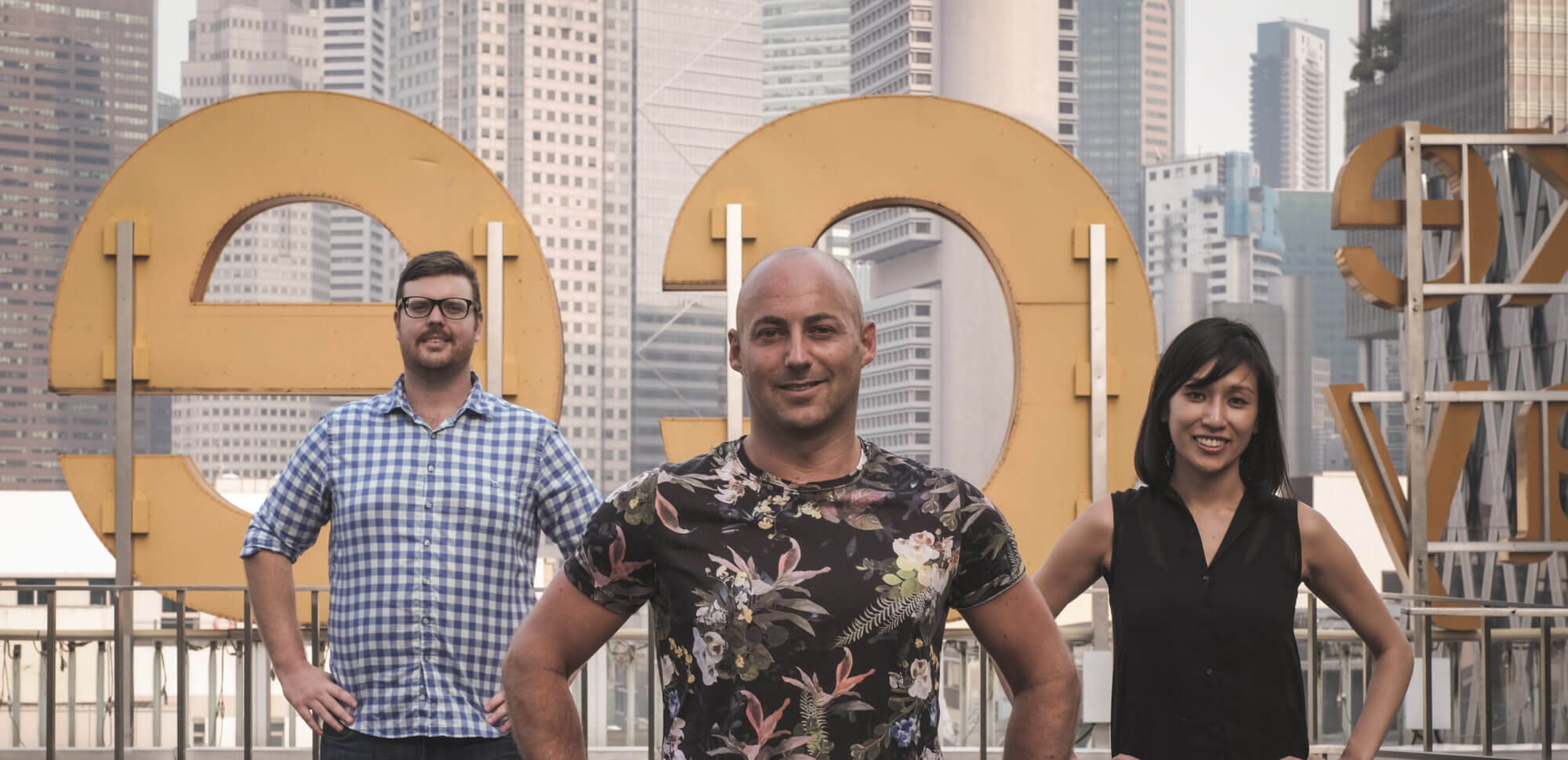
Auckland based startup 90 Seconds is the world’s leading cloud video production platform, allowing brands to purchase, plan, shoot, edit and review video anywhere in the world, online and on mobile.
Tim Norton, Founder and CEO, and Richard Chew, CFO, recently talked to us about 90 Second’s Series A capital raise and how they have found working with Kindrik Partners.
the 90 seconds story
Tim has been building tech companies for the last 14 years from SaaS to video platforms. It was after founding a media company that profiled the startup community through print and video, that Tim realised how hard it was to create videos. He says that the process was varied, it was difficult to shoot between countries and despite the fact that online video content was growing in popularity, professional videos were not easy to make.
This led to Tim’s idea to connect people around the world in order to create professional videos. 90 Seconds was launched in 2010, with Tim and one other developer creating online video production tools, off the back of seed and angel investment.
The concept and tools grew, and Tim managed to solve his previous issues through the creation of a cloud-based platform, which lets users handle almost every part of the video production process in one place. Brands can purchase, plan, shoot, edit and review video from the platform anywhere in the world, online and on mobile.
It was always part of Tim’s vision to build a truly global company, so two years in Tim began to establish a presence in Japan, Singapore, Australia, on top of NZ and the UK. The company became profitable in 2014 and Richard also joined as CFO. In 2015, Tim decided to hire a Head of Talent and they grew from 20 to 78 people in under a year. They then secured NZD$11m through their Series A capital raise led by Sequoia in 2016.
90 Seconds have now worked with more than 1000 brands including Google, Barclays, PayPal, Visa and Sony to produce over 10,000 high quality, fast, easy and affordable videos, in 70 countries.
The company has a global team working across Singapore, London, Tokyo, Manila, Sydney and Auckland, and they hope to open new offices in San Francisco, New York, Hong Kong and Berlin going forward.
Tim thinks that 90 Seconds has just scratched the surface of the global opportunity for cloud-based video production. They will continue to focus on their global growth and make video production even faster, as fast as Uber, publishing professional videos within anywhere between 24 hours to two to 3 weeks, no matter in the world the video creators are. They also plan to continue to develop the mobile version of their software so clients can manage every part of the production process on their tablets or smartphones.

challenges
Tim and Richard both agree that talent acquisition and management is the key to ensuring the success of 90 Seconds, as well as scaling growth at the right time. Tim says that we always need to hire as the business continues to grow, finding the right people to do the job within budget, is definitely an art.
There is definitely competition in the industry which comes in two types. The first being companies who have been around for the same time or longer than 90 whose established business practice. The second is startups, who have the speed and agility to move quickly and innovate. However, Tim says 90 Seconds has a unique position given their stage of growth. They not only understand the industry and are experienced enough to compete with established business but they are also nimble enough to compete with new ones, having the capacity to completely revamp their current product.
working with kindrik partners
Tim and Richard have both worked with lawyers throughout their careers and had varied experiences, prior to their first capital raise, 90 Seconds brought lawyers in get the job done and keep legal costs at a minimum.
They were recommended Kindrik Partners by Sequoia, the key investor leading the capital raising process, who have invested in a number of the world’s leading tech companies including Apple, Google, YouTube and Airbnb. Lee Bagshaw’s was the lead partner for the deal given his background in fund raising for global startups and extensive experience negotiating deals with Sequoia.
The 90 Seconds team worked closely with Lee and Chris Wilson on the intricate transaction which involved a re-domicile, re-structure and Series A all rolled into one, as well as a broad range of investors, from publicly listed companies, venture capital firms and private investors such as SKY TV New Zealand, Airtree Ventures, Beenext and Oleg Tscheltzoff founder of Fotolia.
Tim describes the process as being much longer than he expected, taking 6 months. He says it was like a giant Jenga of risk, investors and issues to manage and at times he was keen to concede on points to move the deal on. However, he says Lee kept them focused on the key issues and eventually they nailed it, and got a deal far better than I expected with Tim feeling more powerful as a founder and entrepreneur through Lee’s advice. Richard also notes that Lee’s knowledge and experience with Sequoia was completely invaluable.
Tim and Richard both agree that this process showed how important it is to partner with lawyers who have hands on experience in dealing with the legal and commercial complexity of capital raising for a global company. Tim notes that when you work with a range of investors on a global deal, you need a legal partner to get the deal done and Kindrik Partners provided the best advice which got them a big outcome.
summing up
90 Seconds are an inspiring example of a company with humble NZ beginnings, demonstrating a fast-growing and rapidly scaling business model, as well as attracting major technology investment players.
Sequoia’s backing shows that big US VCs now view New Zealand startups as global opportunities. Kindrik Partners will be closely watching 90 Seconds continue its rapid growth to become a significant global player.
Explore 90 Seconds.
[Note: The firm’s name was changed to Kindrik Partners in July 2020 and references to the firm’s previous name have been updated.]

Singapore based and venture backed food technology startup Grain has fed thousands of happy customers delicious and wholesome meals, delivered in a few simple clicks.
Yi Sung Yong, Co-founder and Head of Product, recently talked to Kindrik Partners about his company and how he has found working with Kindrik Partners on their first capital raise.
the grain story
With backgrounds in management consulting and previous experience in IT startups, the 4 founders of Grain (Sung, Rifeng Gao, Isaac Tam and Ernest Sim, all recently named in the Forbes Asia 30 under 30 list) wanted to start a new and ambitious business in 2014, so they settled on changing the future of food delivery.
Since its recent beginnings, Grain is now described as a restaurant in the cloud and Uber for food in Singapore. It provides a convenient web and app delivery service for affordable and tasty food that is also good for you, offering 4 different meals each day which rotate weekly. Customers in the busy Singapore areas don’t pay for delivery and have no minimum spend.
After securing significant Series A funding, they now have major plans to offer more meals, improve operational efficiency by adding mobile distribution hub vans, increase headcount namely on the developer side and eventually to expand the business into China, including Hong Kong, and also Indonesia.
challenges
Sung says that given the diversity of food and size of the global industry, competition in the food market is building but there is still plenty of opportunity in the market. Whilst food delivery giant Food Panda largely dominates the South East Asian food delivery scene, acting as a middleman between restaurants and hungry consumers, Grain differentiates itself by offering a complete full stack food service. The entire supply chain is produced and controlled by them from one Singapore site, from the website and app business to cooking and delivery.
He also notes that whilst establishing a business and raising funds can be stressful, post-funding, hiring, onboarding and ongoing people management is their biggest challenge as they continue to grow.
working with kindrik partners
Sung’s previous experience of lawyers was that they were slow moving and traditional type lawyers that did not understand the pace of startup life.
For their first capital raise, Grain were referred to Kindrik Partners partner Lee Bagshaw through 500 Startups managing partner Khailee Ng, along with another Singaporean law firm. The referral happened on a Thursday, Lee got in touch immediately via WhatsApp and the term sheet was ready to go on the Friday. Grain did not receive a response from the other firm until the following Monday at which point the deal was well and truly on its way.
Sung says that it was Kindrik Partners’s speed and execution, WhatsApp versus long emails, moving like a startup that impressed him the most.
Kindrik Partners went on to assist Grain implement several convertible notes to secure short term bridge financing and raise of SG$2,500,000 for their Series A funding round, including investment from NSI Ventures, 500 Startups, Digital Media Partners and Ivan Lee (who founded and sold Thai Express in Singapore).
In addition to maintaining the startup pace and charging extremely reasonable legal fees, Sung really appreciated that Kindrik Partners drafted the documents from a founder’s versus lawyer’s perspective, ensuring the documents reflected Grain’s commercial motives without overkill on the legal jargon; Lee just got everything we thought we required and also pointed out the things we didn’t know we needed.
summing up
Given Grain have already delivered over 100,000 meals to ravenous Singapore residents alone, it’s looking likely that this startup will continue to eat up the market. Kindrik Partners will certainly be ready to move at speed for what seems like an inevitable growth and success.
Explore Grain.
[Note: The firm’s name was changed to Kindrik Partners in July 2020 and references to the firm’s previous name have been updated.]
subscribe to our newsletter and get the latest templates and tips for fast-growing startups in southeast asia
latest news from the blog

As technology lawyers we have worked with hundreds of companies raising their first equity financing round. We have also come across companies and founders (typically on their next financing round) who completed their seed rounds without using a lawyer.
Proceeding without a lawyer is understandable for early stage tech companies. Venture capital term sheets and long form documents are often presented as standard form agreements. The perception is that engaging a lawyer will add time and cost to a process when getting money in the door and keeping costs low are key considerations.
We may be slightly biased(!), but companies and founders who we have worked with had an easier time closing their fundraising quickly and efficiently. They were also in a much better position following closing and when raising their next funding round. Here are 5 reasons why engaging a lawyer on your first round is important, and some good news on the cost.
more efficient process
Closing an equity financing is often a company’s first experience with a legal process. The round will involve negotiating and executing a term sheet, subscription agreement, shareholders’ agreement, updated constitution, and disclosure letter, along with ancillary documents such as director and shareholder resolutions and waivers.
Having a lawyer to guide the company and founders through this process is critical to getting the round closed as efficiently as possible. Some documents (like the disclosure letter and the updated constitution) are usually prepared on the company side, and others (like resolutions and the investor KYC process) can be prepared in advance with your lawyer liaising with your company secretary, meaning that they don’t hold up signing and closing.
making sure you have market terms
Because we advise on many capital raises, we understand how the material terms of your capital raise compare with what we see as the market standard for seed rounds. This provides founders with comfort on which terms they can regard as standard and which to negotiate. If sticking points arise, we can also suggest ways to resolve them.
We are also familiar with most of the seed investors in Singapore, their documentation, and their expected positions on most items. We find this also makes a big difference in streamlining the drafting and negotiation processes.
understanding your obligations
The venture capital terms and documentation from institutional investors in Singapore are typically of a high quality, and are becoming more standardized across the ecosystem. However, these agreements still include important representations, warranties and undertakings from the company, and in certain cases founders personally. Most of these will be familiar to VCs and other experienced parties, but it is important for founders (especially first timers) to understand what these items mean, and the best way to mitigate any risk.
Broadly speaking these items can be categorised as:
- representations and warranties provided by the company and (usually) founders about the position of the company at the time of investment
- restrictions on the actions of the company and founders going forward, such as investor veto rights (also known as reserved matters), the vesting of founder shares against their continued involvement in the company, and restrictions on the transfer of founder shares (usually lock-in, rights of first refusal, and co-sale rights)
- ongoing positive obligations to the investors, most commonly information and reporting obligations.
Understanding these obligations is important, not just to avoid a technical breach of the company’s governance documents, but also to maintain good relationships with your investors.
Post-closing requirements
Seed round documents usually include one or two post-closing obligations on the company. Most commonly tidying up any items raised during due diligence that could not be dealt with before closing, and/or the establishment of an ESOP.
In the excitement of closing a seed round it can be easy to forget these post-closing matters and, in the absence of a lawyer, this is often not picked up until the due diligence process for the company’s next round. This can create delays in order to address these items before moving ahead with a new investment round.
Having a lawyer will help founders to stay on top of these obligations.
good position moving forward
A company’s seed round investment documents will usually be terminated and replaced at the time of the company’s series A round. However, incoming series A investors will review those documents as part of their due diligence. If those seed documents include terms that are unusually favourable for investors (like a non-standard liquidation preference), your incoming investors may expect the same to be included in your series A agreements. Similarly, your seed investors may reasonably expect to retain their existing rights in the next round documentation (or in some cases your seed investor may even be leading your series A round). It is important that your seed documents are not placing the company in a potentially difficult position for negotiating future funding rounds.
but what about the cost?
We are always excited to assist startups with their seed rounds. These rounds are often a company’s first time accessing a material amount of external capital and represent a major milestone in the company’s life cycle.
To help keep your costs under control at this early stage, we offer a fixed fee of S$6,500 to work with you on your seed round subject to certain conditions. You can read more about our fixed fee offer here. Even if our fixed fee offer does not apply to your circumstances, we are happy to discuss your round and provide an estimate before kicking off.

Back in 2018, Y-Combinator (YC) updated their core investment instrument and launched what is now known as the post-money SAFE.
We analysed the post-money SAFE back in 2020 – see our blog here https://kindrik.co.nz/blogs/a-primer-on-post-money-safes-in-new-zealand/. The main difference between a pre-money and post-money SAFE is that, on conversion, under the pre-money terms the calculation of the number of conversion shares does not include the conversion of the SAFE itself and any other convertible instruments in issue (other convertible securities). With a post-money SAFE all of these other convertible securities are included. The end result is further dilution for existing ordinary shareholders on conversion of the post-money SAFE.
But what about convertible notes? Have they remained drafted on a pre-money basis or, like the SAFE, has the market moved towards the more investor friendly post-money position?
Convertible notes v SAFEs
The terms of convertibles notes differ from SAFEs. SAFEs remain outstanding until a conversion event occurs, or the company has a liquidity event. So, in effect, there is no repayment obligation. In contrast, convertible notes have a maturity date and generally accrue interest. Therefore, startups have no time pressure to close an equity financing under a SAFE. Whereas under a convertible note, they might need to get it done within say 18 months, or the note could be repayable. For that reason, SAFEs are generally the preferred document for founders.
The market has certainly followed YC’s lead when it comes to SAFEs. Most SAFEs we now see are the post-money version. However, the same can’t be said for convertible notes, for which conversion into shares is still calculated on the more founder friendly pre-money calculation. Looking at templates available online, whether provided by law firms (including our own!), VCs or industry bodies, this looks to be the consistent approach across the board. That said, we do occasionally see them on deals where investors are looking to secure a better position or when they simply draft the document incorrectly.
Round up
Founders should be cautious here and take advice at the term sheet stage so there is no ambiguity when everyone comes to drafting the final instrument. If any post-money instrument is used, it may require founders to rethink the valuation cap on the deal.
Investors could argue that there is nothing intrinsically different between a SAFE and a convertible note in terms of how equity should be calculated on a conversion event. I.e. why shouldn’t the number of shares be determined on the same basis for each?
However, YC’s justification at the time of launching the new SAFE was that it makes the conversion calculation simpler and creates more certainty over the future dilution. Which is certainly true. But YC’s model is about speed and efficiency and they invest in multiple companies in their intakes. A SAFE is also a pretty founder friendly investment instrument, and rarely negotiated much. A convertible note, on the other hand, has other disadvantages to founders and more onerous terms, in particular, interest and repayment obligations. Notes also tend to include information rights, a most favoured nation clause, events of default provisions and other covenants that don’t typically appear in SAFEs.
Taking that into consideration, our view remains that convertible notes should be drafted on a pre-money basis, and that post-money notes remain non-market.
