pricing
looking to de-mystify legal costs for Southeast Asian founders with upfront pricing & fixed fees

working with the hottest tech startups in southeast asia







we know you're looking for cost certainty
We have put together this fixed price list for jobs that we see on a regular basis.
If you don't see your job on the list, don't worry - we're always happy to provide a fee estimate for any other work before we start.
reviewing your templates
S$500
If you've tried our free legal templates from our website and want to check with us that you've filled it in correctly, we'll review your document for a flat fee of S$500.
This fee applies if:
- you've filled the form out yourself and can send it through to us as a Word document
- the template is appropriate for your transaction (as described in the user notes) and therefore does not require major changes
- you are using any of our Southeast Asian templates, except our ESOP template and document generator (see below)

drafting your employee share option scheme
S$2,000
If you’d rather not go through the process of working through the ESOP template and guide, we can produce your ESOP for you.
You can request this fee if:
- the ESOP is for a Singaporean company and for recipients in Singapore
This fee includes:
- drafting of your ESOP rules, letter of grant, and option certificate
- up to two rounds of revisions
This fee excludes:
- drafting the associated board and shareholder resolutions, consents, and waivers (that's a job for your company secretary).
- GST (if any)

drafting your founder vesting agreements
S$1,250 for 1-2 founders
S$1,500 for 3-4 founders
Having this agreement in place avoids difficult discussions around the equity structure if one or more of the founders leaves the company. On his or her departure, his or her unvested shares can be repurchased by the company.
This fee includes:
- drafting a founder vesting agreement for each founder
- one further revision following feedback from founders
This fee excludes:
- putting together your cap table
- GST (if any)


seed round legal documents
S$7,500
We can help founders review, negotiate and agree their series seed term sheet and long form investment documents (subscription agreement, shareholders’ agreement, and constitution).
You can request this fee if:
- the round is led by an institutional seed investor
- the lead investor is drafting the long form investment documents
- the amount raised is typical for a seed round (~S$750k - S$2m)
This fee excludes:
- putting together your cap table
- drafting the associated board and shareholder resolutions, consents, and waivers (for review and circulation by your company secretary)
reviewing your series A term sheet
S$1,500
Ready to do your series A round? We can help founders review and mark up their series A term sheet. Get recommendations on what you can negotiate and push back on, and understand what different parts of the term sheet mean for your business.
You can request this fee if:
- the round is led by an institutional series A investor
- the lead investor has drafted the term sheet
This fee includes:
- marking up the term sheet with recommendations and adding explanatory comments
- one further revision following feedback from founders
This fee excludes:
- putting together your cap table
- negotiating directly with the lead investor


read our success stories
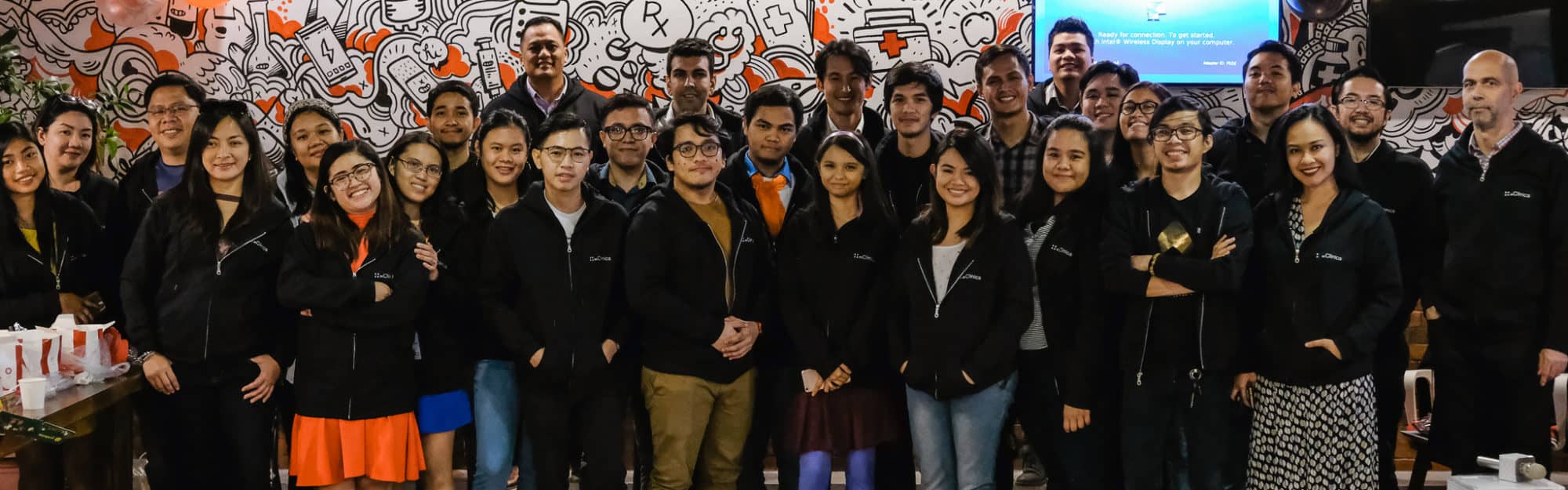
mClinica is a Singapore-headquartered health-tech company which provides data, analytics, and patient engagement tools for healthcare organisations in Southeast Asia. In 2017, mClinica closed a USD$6.3million series A financing round, with Kindrik Partners advising the company.
Founder and CEO Farouk Meralli talked to us about mClinica’s journey to date and working with Kindrik Partners.
the mClinica story
Whilst working for multinational pharmaceutical companies, Farouk identified issues in the healthcare sector in emerging markets. Pharmaceutical companies and public sector entities (NGOs and governments) lack access to consolidated data that similar companies in developed markets have. This is particularly so in Southeast Asia where pharmacies are mainly independent owner-operated businesses rather than the large branded chains that you see in established markets.
This led Farouk to start mClinica to connect pharmacies on a common mobile platform. The company launched in the Philippines in 2013, and has since expanded to Indonesia, Vietnam, Thailand and Malaysia. By the end of 2017, mClinica had connected over 60,000 pharmacy professionals and 12,000 pharmacies on a single digital platform. This platform now addresses several challenges in healthcare including education and engagement of pharmacy professionals, pharmacy-driven patient programs, and last-mile data.
Farouk recently received the Public Health Innovator Award from Harvard University for his work with mClinica, and was the youngest ever recipient of the award.
challenges
Due to the fragmented nature of the healthcare industry in Southeast Asia, developing mClinica’s products was no easy feat. Farouk had to recruit healthcare professionals who also had expertise in mobile technology, engage with lots of government agencies and regulators, and develop products that were flexible enough to work in different health contexts. However, Farouk’s patience and vision has paid off, with its pharmacy network now reaching approximately 80 million patients per month.
The business has also been through some financing rounds and other corporate transactions along the way, which Farouk admits can be a big distraction from the day job of growing the business – like all entrepreneurs, he just wants to focus on solving real problems for end users.
raising a series A round
mClinica’s series A round was led by Silicon Valley fund, Patamar Capital (formerly Unitus Impact), and joined by UK based Global Innovation Fund, MDI Ventures, and Endeavor Catalyst. Existing investors also took part in the investment round.
The cap raise was to help mClinica grow faster and enter more markets across Southeast Asia. By 2017, mClinica had a good profile in the regional tech and healthcare scene, and was known to investors. The company therefore had the luxury of picking investors that had knowledge of the healthcare space and would offer the best long-term strategic value.
In the end, mClinica was able to secure investment from well-known international investors, all of whom believed in the vision of transforming healthcare in Asia. A term sheet followed, and once a lead investor was committed, was agreed fairly quickly.
Farouk described an important aspect of the transaction was discussing the term sheet openly with all interested parties from the outset. This included existing seed investors who required careful management to avoid roadblocks later in the deal process.
working with Kindrik Partners
mClinica has worked with Lee Bagshaw since the incorporation of the business, including advising on seed funding deals with Kickstart Ventures, Spiral Ventures (formerly IMJ Investment Partners) and 500 Startups. Kindrik Partners has helped the company with other corporate and commercial matters, aside from the series A deal.
Farouk says: I believe mClinica was one of Lee’s first clients in Southeast Asia. Therefore to some extent we’ve been on the journey together in what is an exciting but challenging digital market. We feel like we’re in safe hands with Kindrik Partners. The team is very easy to work with and their VC transaction experience is second to none.
what’s next?
Since completing its series A financing, mClinica has continued to expand its pharmaceutical network, work on product development and grow its team. Right now, the focus is still on Southeast Asia, but mClinica’s products are also suited to many other developing countries worldwide.
As a transformative health-tech company operating in emerging economies, we’re proud to have been a part of Farouk’s journey to date. The digital economy in Southeast Asia will play a great role in improving healthcare delivery over the next decade and mClinica is leading the way.
[Note: The firm’s name was changed to Kindrik Partners in July 2020 and references to the firm’s previous name have been updated.]

Fintech startups are the next big thing in the Southeast Asian tech scene. Kindrik Partners client C88 (formerly Compare88) is racing ahead of the pack after securing the backing of high-profile VC investors including Telstra Ventures.
C88 provides online financial services price comparison tools, helping consumers to compare the offers of major brands for products such as credit cards, personal loans, mortgages, vehicle loans, savings accounts and insurance. The company also offers a brokerage service, enabling consumers to purchase products directly on the C88 platform – for which C88 has secured relevant financial services licences through Southeast Asia.
Founder and CEO, J.P. Ellis, talked to us about the company’s background, its most recent series B financing round, and how they have found working with Kindrik Partners.
the c88 story
Prior to C88, founders Karl Knoflach and J.P. worked in private equity, finance, operations and leadership. The C88 senior team also consists of Gary Empl, a professional software developer with over two decades of experience leading teams in the creation of cutting-edge software in the financial services industry. Karl and Gary were part of the original founding team of einsurance.de in Munich in 1999 – a revolutionary company in the German insurance space which later became Check24.de, the German market-leader.
C88’s commercial teams in Indonesia, the Philippines and other markets are made up of senior bankers, insurance executives and sales operators with many years of experience in financial products sales and distribution. This experience, and the networks that senior team members bring, is crucial to C88 maintaining its market leader position.
J.P. notes that the Southeast Asian economy’s migration to digital begin with communities moving online for social needs. This was followed by online purchasing of physical goods, usually electronics and clothes, then travel bookings, followed more recently by financial services. This migration began in earnest in 2009, and by 2011 there were already major e-commerce providers. Online channel emerged in the insurance vertical in 2013, and C88 followed quickly releasing its platform in 2014.
J.P. observes that high traffic digital marketplaces, such as C88’s CekAja.com brand in Indonesia and eCompareMo.com brand in the Philippines, benefit consumers as well as underwriters. C88 can use its volume to create pricing efficiency for their customers. That volume also reduces the overall cost of acquisition for underwriters. Prior to the emergence of financial services e-commerce, banks and insurers basically only had two options for sales in the large markets of Southeast Asia: branches or physical agents. Digital sales through C88’s platform provides a highly cost-effective alternative.
challenges
Southeast Asia remains highly fragmented. Operating a multi-jurisdictional structure that is attractive to both consumers and providers, while keeping national regulators on-side, is challenging.
The company also faces the challenge of creating a common culture across national teams. Incentivising teams in different verticals and across countries to work together to solve problems creatively is an ever-evolving process of creative leadership and problem solving.
J.P adds that fortunately, C88’s team are multi-lingual and truly love what they do. It is not at all uncommon for them to log long hours during the week and weekends, because they genuinely enjoy what they do in building systems and solving problems for consumers in the region.
working with Kindrik Partners
As well as advising C88 on its venture capital financing rounds, Kindrik Partners’s Lee Bagshaw and Chris Wilson have helped C88 implement a variety of business critical structures including inter-company, cross-border licensing agreements and intellectual property documentation.
J.P says that Kindrik Partners provided high-quality and competitively-priced legal services in the critical areas of C88’s business. J.P. particularly appreciated the level of support he received when negotiating and completing the company’s recent Series B round led by Telstra Ventures – he says that the Kindrik Partners team know venture capital deals inside out, and made the negotiation of the financing documentation a breeze.
Kindrik Partners looks forward to helping C88 to continue its journey to become a leading fintech player in Southeast Asia and beyond.
Explore C88.
[Note: The firm’s name was changed to Kindrik Partners in July 2020 and references to the firm’s previous name have been updated.]
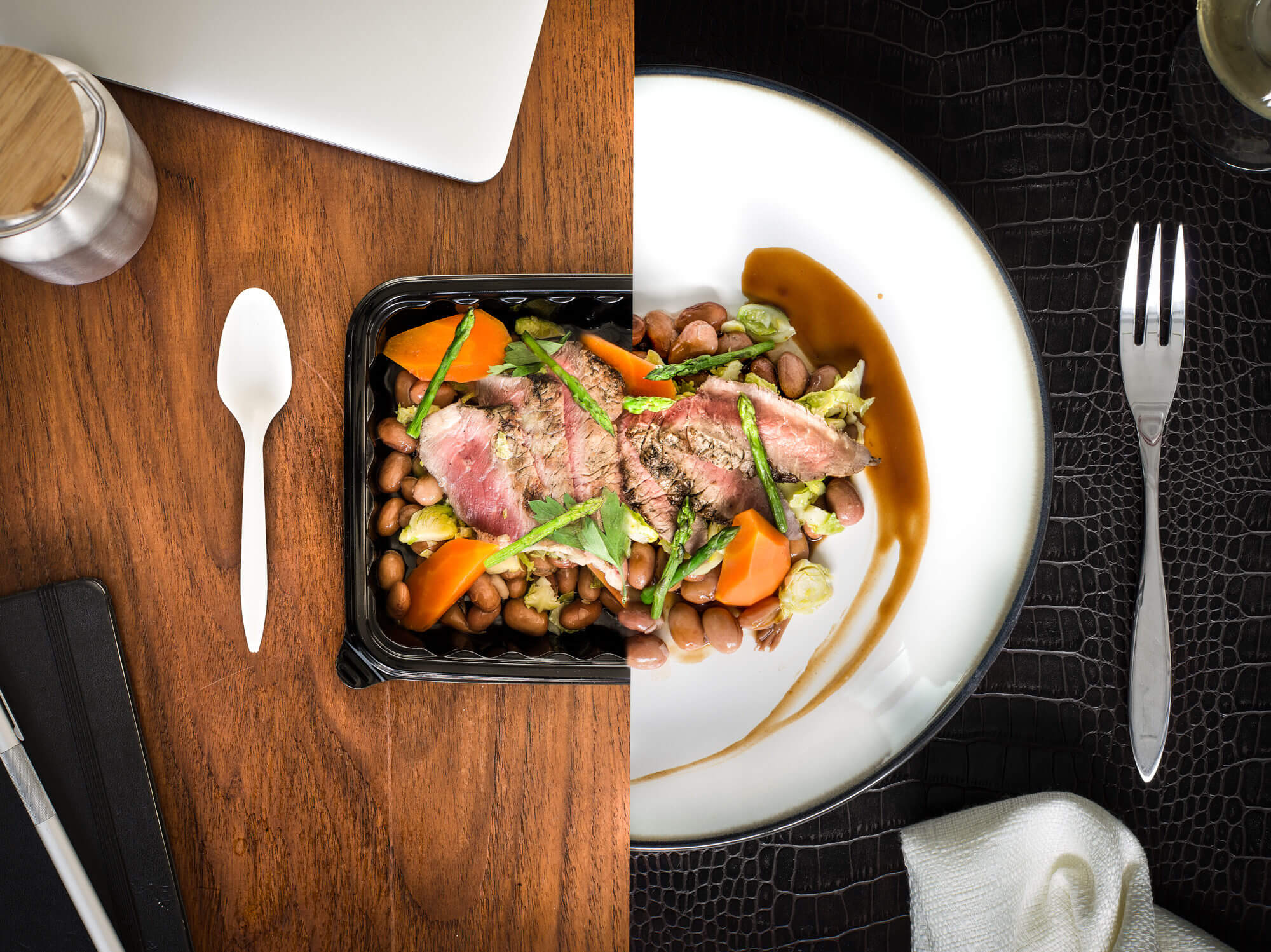
Singapore based and venture backed food technology startup Grain has fed thousands of happy customers delicious and wholesome meals, delivered in a few simple clicks.
Yi Sung Yong, Co-founder and Head of Product, recently talked to Kindrik Partners about his company and how he has found working with Kindrik Partners on their first capital raise.
the grain story
With backgrounds in management consulting and previous experience in IT startups, the 4 founders of Grain (Sung, Rifeng Gao, Isaac Tam and Ernest Sim, all recently named in the Forbes Asia 30 under 30 list) wanted to start a new and ambitious business in 2014, so they settled on changing the future of food delivery.
Since its recent beginnings, Grain is now described as a restaurant in the cloud and Uber for food in Singapore. It provides a convenient web and app delivery service for affordable and tasty food that is also good for you, offering 4 different meals each day which rotate weekly. Customers in the busy Singapore areas don’t pay for delivery and have no minimum spend.
After securing significant Series A funding, they now have major plans to offer more meals, improve operational efficiency by adding mobile distribution hub vans, increase headcount namely on the developer side and eventually to expand the business into China, including Hong Kong, and also Indonesia.
challenges
Sung says that given the diversity of food and size of the global industry, competition in the food market is building but there is still plenty of opportunity in the market. Whilst food delivery giant Food Panda largely dominates the South East Asian food delivery scene, acting as a middleman between restaurants and hungry consumers, Grain differentiates itself by offering a complete full stack food service. The entire supply chain is produced and controlled by them from one Singapore site, from the website and app business to cooking and delivery.
He also notes that whilst establishing a business and raising funds can be stressful, post-funding, hiring, onboarding and ongoing people management is their biggest challenge as they continue to grow.
working with kindrik partners
Sung’s previous experience of lawyers was that they were slow moving and traditional type lawyers that did not understand the pace of startup life.
For their first capital raise, Grain were referred to Kindrik Partners partner Lee Bagshaw through 500 Startups managing partner Khailee Ng, along with another Singaporean law firm. The referral happened on a Thursday, Lee got in touch immediately via WhatsApp and the term sheet was ready to go on the Friday. Grain did not receive a response from the other firm until the following Monday at which point the deal was well and truly on its way.
Sung says that it was Kindrik Partners’s speed and execution, WhatsApp versus long emails, moving like a startup that impressed him the most.
Kindrik Partners went on to assist Grain implement several convertible notes to secure short term bridge financing and raise of SG$2,500,000 for their Series A funding round, including investment from NSI Ventures, 500 Startups, Digital Media Partners and Ivan Lee (who founded and sold Thai Express in Singapore).
In addition to maintaining the startup pace and charging extremely reasonable legal fees, Sung really appreciated that Kindrik Partners drafted the documents from a founder’s versus lawyer’s perspective, ensuring the documents reflected Grain’s commercial motives without overkill on the legal jargon; Lee just got everything we thought we required and also pointed out the things we didn’t know we needed.
summing up
Given Grain have already delivered over 100,000 meals to ravenous Singapore residents alone, it’s looking likely that this startup will continue to eat up the market. Kindrik Partners will certainly be ready to move at speed for what seems like an inevitable growth and success.
Explore Grain.
[Note: The firm’s name was changed to Kindrik Partners in July 2020 and references to the firm’s previous name have been updated.]
